
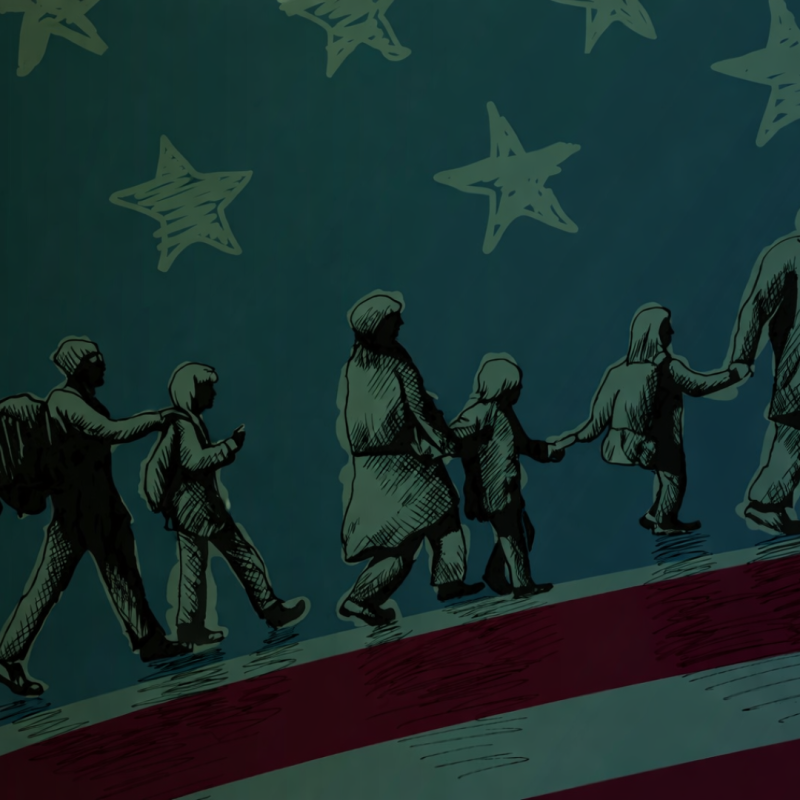
Post doctoral researcher Amine Sijilmassi will conduct the upcoming research seminar on Wednesday, January 21st at 12:30 p.m. He will present his work on intentionality framing in political rhetoric about immigration, drawing on an analysis of the United States' congressional speeches from 1880 to 2020.
Abstract:
The American debate over immigration has become increasingly moralized, transforming policy discussions into intractable ideological divides. What is the rhetorical mechanism behind this shift? Drawing on social cognition research, we argue that intentionality—the focus on an actor’s internal motives, desires, and goals—is a powerful trigger for moral judgment, making it a potent tool for politicians to use strategically. Using a computational text analysis of 250,000 U.S. congressional speeches (1880–2020), we document a significant rise in intentionality-framed rhetoric regarding immigrants. This shift is concentrated almost entirely in the last 25 years, a period marked by the explosive polarization of the immigration issue in U.S. politics. This trend suggests that focusing on the perceived motives of immigrants is a key way the debate is moralized. By focusing their rhetoric on the internal moral qualities of immigrants, politicians can more easily trigger moral judgments, helping explain why immigration has become such a polarizing force in American politics.