ESA Africa 2026 Conference
ESA Africa is the regional edition of the Economic Science Association (ESA) Conference a major international conference in experimental and behavioral economics—bringing together global and African economists to exchange cutting-edge work and foster interdisciplinary collaborations grounded in controlled experiments that advance understanding of economic behavior.
The ESA promotes rigorous experimental methods and ESA Africa specifically aims to showcase and promote research from African institutions and on Africa-relevant topics, and to build bridges between experimental economists and economists conducting policy evaluations using experiments.
This year, UM6P hosts the conference in Morocco, expanding networks and opportunities for collaboration across the continent.
Submissions are now closed and 160 presentations have been accepted for presentation.
ESA Africa 2026 will be followed by a Summer School on Bayesian Methods for Experimental Economics, taking place at UM6P Rabat from June 18 to 21, 2026. Visit the website of the summer school
Key Dates
December 18, 2025
Talk submissions open
February 20, 2026
Deadline to submit an abstract
March 03, 2026
Notification of acceptances
April 17, 2026
Early registration deadline
May 15, 2026
Late registration deadline
Committees
Local organizing committee
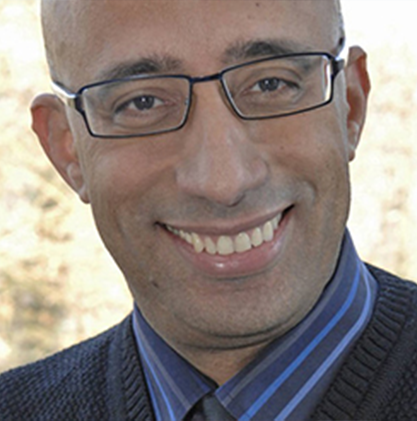
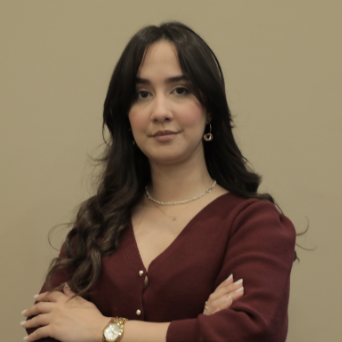
Mohammed
Abdellaoui
HEC Paris
Scientific committee
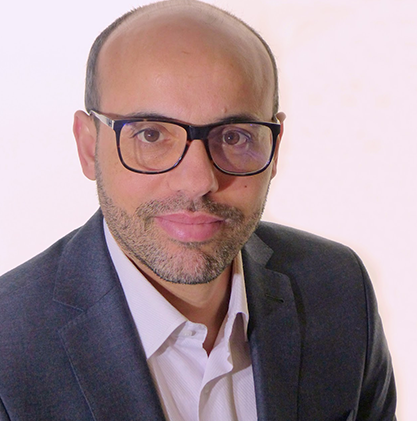
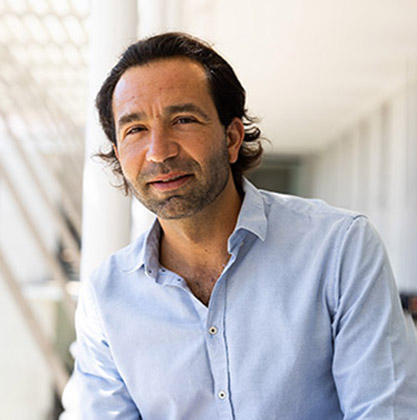
Mohammed
Abdellaoui
HEC Paris

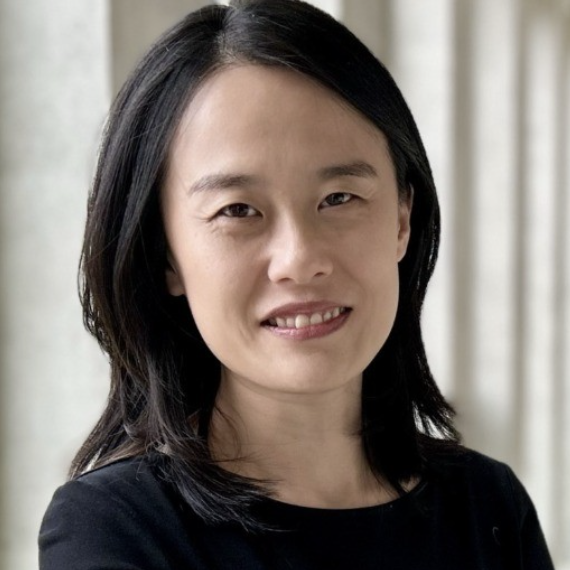

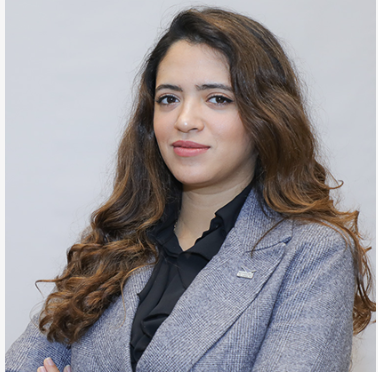
Marieke
Huysentruyt
HEC Paris


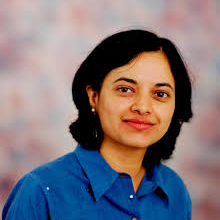
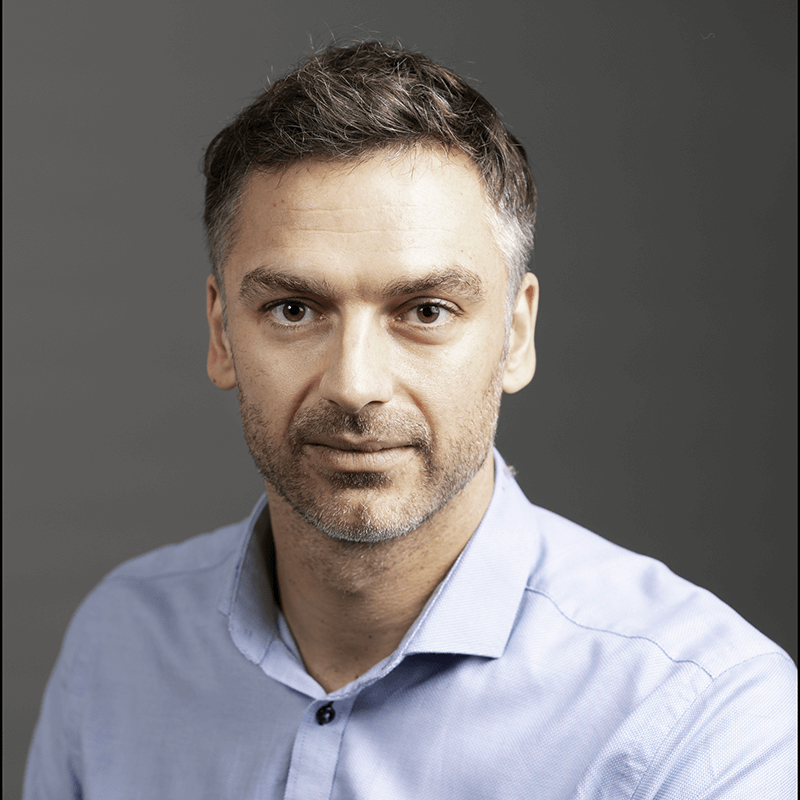
Lata
Gangadharan
Monash University
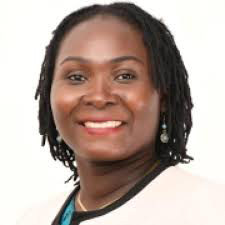
Monica
Lambon-Quayefia
University of Ghana

Supported by


Travel grant
Frequently Asked Questions
Venue
Conference location
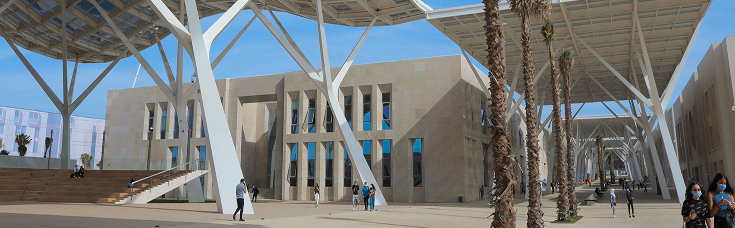
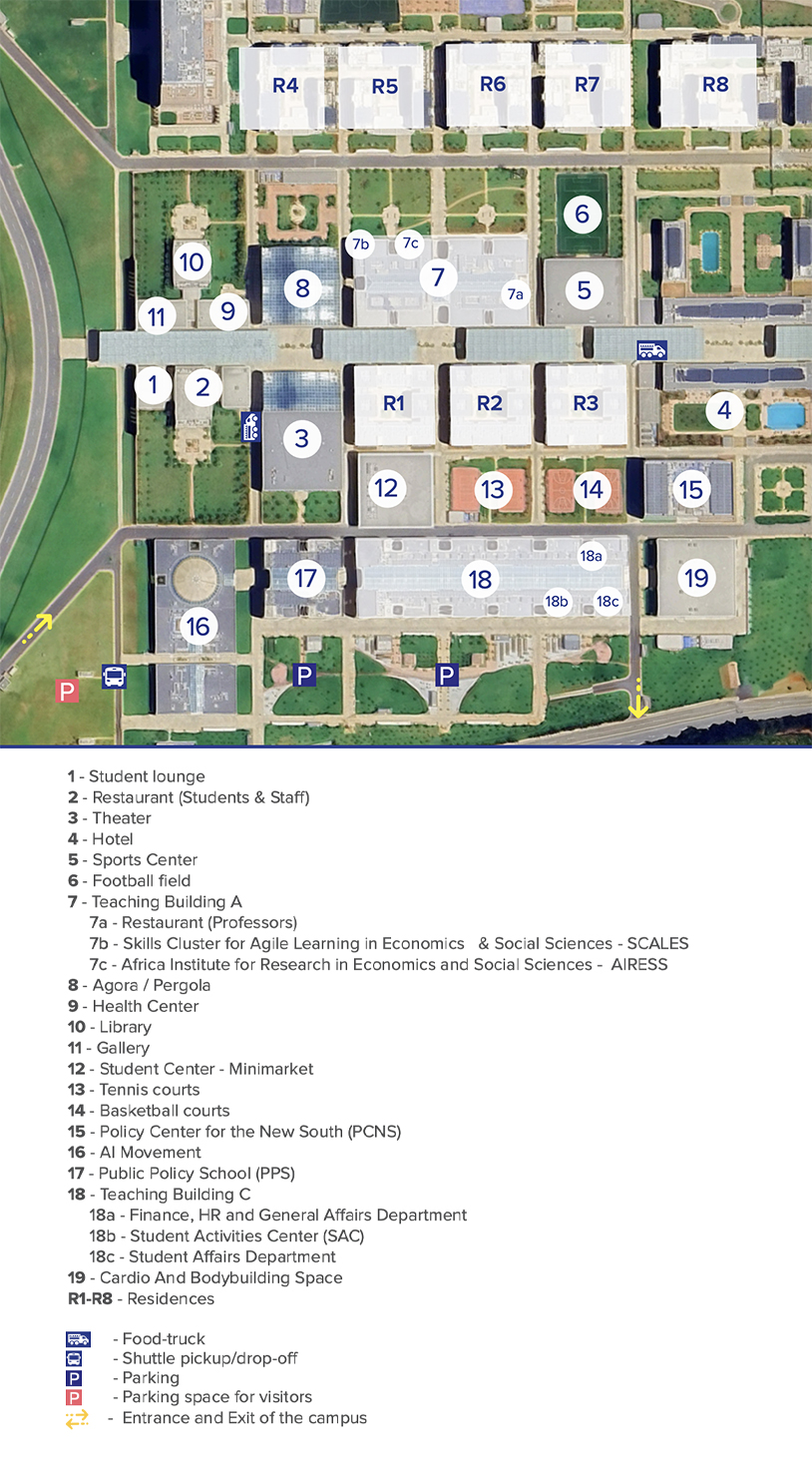
The conference will be held at UM6P Rabat campus, within the Social Sciences, Economics and Humanities Cluster of Mohammed VI Polytechnic University. The Cluster is a teaching and research ecosystem that closely brings together three entities:
- Faculty of Governance, Economics and Social Sciences (FGSES); offering Bachelor's, Master's, as well as Ph.D. programs.
- The Africa Institute for Research in Economics and Social Sciences (AIRESS): geared towards research.
- The Public Policy School (PPS): offering executive education programs for decision-makers in both public and private sectors.
Each of these entities fulfills its mission, using the knowledge and experience shared among a community of professors, researchers, scholars as well as public decision-makers.
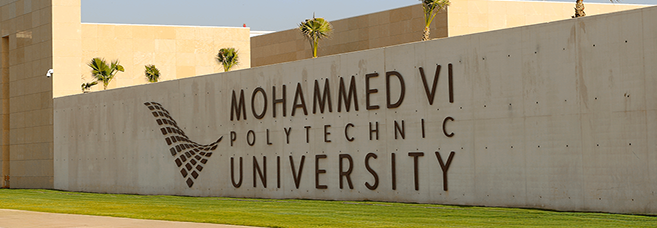
Mohammed VI Polytechnic University – Rabat Campus
Rocade Rabat-Salé,
Rabat 11103
Getting to Rabat
Rabat-Salé Airport (RBA)
The closest airport to the city, located approximately 30 minutes away. Taxis and bus line AE are available outside the arrivals' terminal, with fares displayed in the airport hall and taxi parking area.
Casablanca Mohammed V International Airport (CMN)
The airport is 1.5 hours away from Rabat, it offers direct trains to the city departing every hour. Train tickets can be purchased online via the ONCF website or directly at the station, with a trip cost of 100 MAD.
Tangier Ibn Battouta Airport (TNG)
Located 3 hours from Rabat, the most convenient option is to head to Tangier's train station and take the high-speed (TGV) train to Rabat.
Airport taxi routes and approximate fares
| Route | Day fare | Night fare |
|---|---|---|
| From Rabat airport to downtown Rabat | 150 MAD | 250 MAD |
| From Casablanca airport to downtown Casablanca | 250 MAD | 300 MAD |
| From Tangier airport to Tangier train station | 120 MAD | 180 MAD |
1 USD ~ 10 MAD
Getting to the campus
The campus is located outside of Rabat, approximately 20 minutes away by car. To reach the campus from the city center, you can use:
Tramway + Bus:
Take tramway Line 2 (L2) to the Sale Terminus (7 MAD), then transfer to bus line 201, which stops directly in front of the campus. The total bus ride (6,5 MAD) takes approximately 25 minutes.
Taxi:
There are two types of taxis in Rabat: Petit taxi (blue taxi) and Grand Taxi (white cabs).
Petit taxis usually operate within the city and may not accept trips outside Rabat. In some cases, drivers may agree to the ride, but the meter is unlikely to be used. Be sure to negotiate the fare in advance.
The white taxis operate between cities and can take you directly to the campus. Below is an indicative table of departure locations and fares.
| Route | Estimated travel time | Day fare (MAD) | Night fare (MAD) |
|---|---|---|---|
| From Casablanca Mohammed V Airport to Rabat city center | 1h 15- 1h 30 | 700- 900 | 900- 1 000 |
| From Casablanca Mohammed V Airport to UM6P | 1h 15- 1h 30 | 700- 900 | 900- 1 000 |
| From Rabat-Salé Airport to UM6P | 20- 25 min | 150- 200 | 200- 250 |
| From Rabat city center to UM6P | 20 min | 80- 100 | 100- 150 |
Please note that these fares are indicative and may vary depending on your pick-up location. If you are staying at a hotel off campus, we recommend asking the receptionist to book a taxi for you.
If you are opting for our campus accommodation, the venue is within walking distance.
Ride-hailing applications such as Careem and inDrive are available in Morocco; however, their use is not permitted under Moroccan law.
Conference days


Downloadables
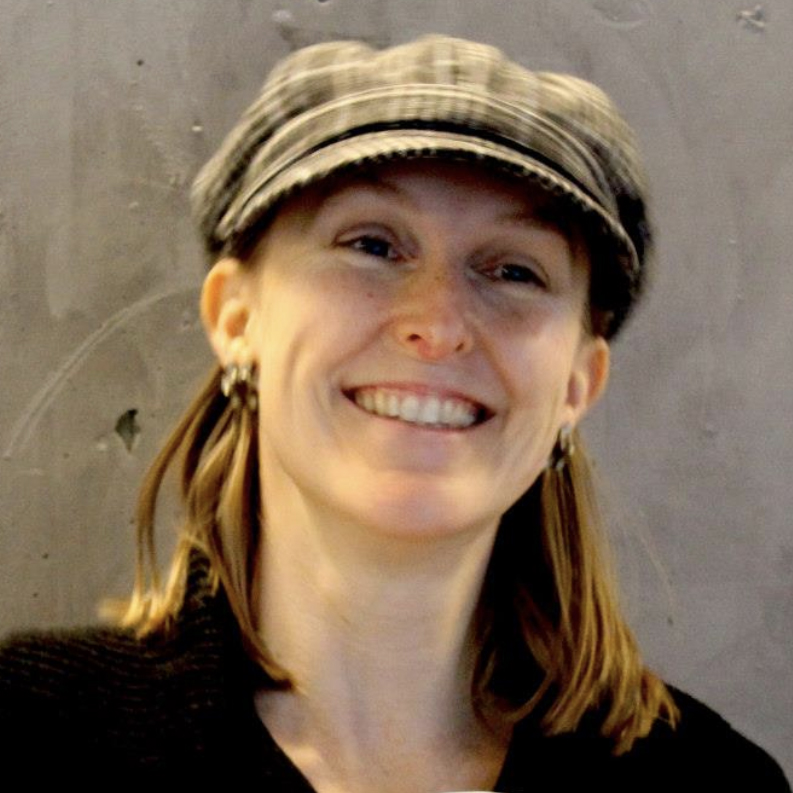
University of Nottingham, UK
Abigail Barr joined the University of Nottingham in the summer of 2011. Before coming to Nottingham, she was a researcher at the Centre for the Study of African Economies (CSAE) and the Oxford Department of International Development, University of Oxford. She is also an associate of the Nuffield Centre for Experimental Social Science and the Institute of Fiscal Studies.
Abigail's research focuses on the socially embedded decision-maker. She has designed and implemented a variety of lab and lab-type experiments involving students, villagers, private-sector waged workers and unemployed people and health workers and teachers, in several African and developing countries. Four themes have dominated her work to date: other-regarding preferences; mutually beneficial agreements; citizens' willingness and ability to hold public service providers to account; and the factors and mechanisms determining individual preferences and values.
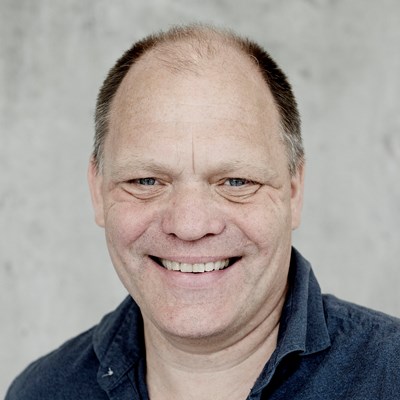
Department of Economics, Norwegian School of Economics (NHH)
Alexander W. Cappelen is a professor at the Department of Economics, Norwegian School of Economics (NHH), where his academic positions include Deputy Director of the Centre of Excellence FAIR (Centre for Experimental Research on Fairness, Inequality and Rationality), co-director of the research group The Choice Lab, and Chairman of Centre for Ethics and Economics.
His research interests are behavioral, experimental and public economics, business ethics, social choice theory, political philosophy and distributive justice.
His work, published in leading international journals, employs a wide range of experimental approaches to address questions of justice, inequality, and policy.
Key Dates
December 18, 2025
Talk submissions open
February 20, 2026
Deadline to submit an abstract
March 3, 2026
Notification of acceptances
Call for Abstracts — Economic Science Association Africa 2026, Rabat
The organizing committee invites submissions of research abstracts for ESA Africa 2026, hosted by AIRESS at UM6P in Rabat, Morocco. We welcome work in experimental and behavioral economics involving experiments (lab, lab-in-the-field, field, discrete choice, or vignette) and methodological or theoretical contributions with relevance to experimental approaches.
Research projects led by scholars from African institutions and/or addressing Africa-relevant topics are particularly encouraged.
Research in progress is also welcome, in the form of experimental designs. A special "design feedback" talk format will be organized for these projects.
Submission Format
No full paper is required at submission.
Please submit an abstract including:
- the status of the project (completed study or experimental design),
- the title of the project,
- the name(s) and affiliation(s) of the author(s), and
- the relevant JEL codes.
Abstracts should be less than 500 words.
For submissions describing experimental designs, the abstract should clearly present:
- the context of the study (who and where),
- the research question,
- the theoretical or methodological framework (what is measured or observed and how it is interpreted),
- the planned design, and
- information on the project's stage of implementation (e.g., whether pilot data have been collected, funding has been secured, and the planned schedule for data collection).
Eligibility: Submissions are open to researchers at all career stages including PhD students. Each accepted contribution must have a designated presenting author who registers for and attends the conference.
Review & Decision: Abstracts are evaluated by the scientific committee, which will select accepted submissions based on quality, fit, and program balance.
Conference Format: The meeting is planned as an in-person event and will feature keynote lectures, parallel sessions, and round table(s).
Policies: Authors are expected to follow ethical research practices, including relevant IRB/ethics approvals where applicable. The ESA code of conduct applies to all participants.
Submissions are now closed and 160 presentations have been accepted for presentation.
- For any questions related to registrations or submissions, please contact:
- [email protected]
Key Dates
December 18, 2025
Talk submissions open
February 20, 2026
Deadline to submit an abstract
March 03, 2026
Notification of acceptances
April 17, 2026
Early registration deadline
May 15, 2026
Late registration deadline
Registration Fees
| Category | Early (USD) | Late (USD) |
|---|---|---|
| Faculty, Post-doc, Professional | 350 | 450 |
| Students | 200 | 300 |
| LMIC Faculty, Post-doc, Professional | 200 | 250 |
| LMIC Students | 150 | 200 |
All registered participants are kindly requested to complete the following survey regarding logistical arrangements.
Please complete the survey after completing your ESA registration.
For any questions related to registrations or submissions, please contact:
Program
Download ESA Program
Program at a glance
Time | Event |
|---|---|
Monday June 15 | |
| 9h30-10h45 | Registration: Amphitheater B-G0-01 |
| 11h00-15h00 | Social activity, visit of Medina: departure Gate 1 |
| 15h30-16h00 | Registration: Amphitheater B-G0-01 |
| 16h00-17h15 | Round table: Amphitheater B-G0-01 |
| 17h15-17h30 | Coffee break |
| 17h30-19h00 | Design-talk Sessions: Rooms B-I0-01, B-I0-02, B-H0-01, B-H0-02 and B-F0-01 |
| 19h30 | Opening Cocktail Dinner: Hotel on the campus |
Time | Event |
|---|---|
Tuesday June 16 | |
| 8h30-9h00 | Registration: Amphitheater B-G0-01 |
| 9h00-10h30 | Parallel sessions I: Rooms B-I0-01, B-I0-02, B-H0-01, B-H0-02 and B-F0-01 |
| 10h30-11h00 | Coffee break |
| 11h00-12h30 | Parallel sessions II: Rooms B-I0-01, B-I0-02, B-H0-01, B-H0-02 and B-F0-01 |
| 12h30-14h00 | Lunch: Hotel on the campus |
| 14h00-15h15 | Keynote lecture Abigail Barr: On the enforcement of social norms (Amphitheater B-G0-01) |
| 15h30-17h00 | Parallel sessions III: B-I0-01, B-I0-02, B-H0-01, B-H0-02 and B-F0-01 |
| 17h30 | Meeting for social event, visit of Chellah: departure Gate 1 |
| 20h30 | Gala dinner: Tour Hassan Palace, Rabat |
Time | Event |
|---|---|
Wednesday June 17 | |
| 9h00-9h30 | Registration: Amphitheater B-G0-01 |
| 9h30-11h00 | Parallel sessions IV: Rooms B-I0-01, B-I0-02, B-H0-01, B-H0-02 and B-F0-01 |
| 11h00-11h30 | Coffee break |
| 11h30-13h00 | Parallel sessions V: Rooms B-I0-01, B-I0-02, B-H0-01 and B-H0-02 |
| 13h00-14h30 | Lunch: Hotel on the campus |
| 14h30-15h45 | Keynote lecture Alexander Cappelen: Fairness in a World of Unequal Opportunity (Amphitheater B-G0-01) |
| 16h00-17h30 | Parallel sessions VI: Rooms B-I0-01, B-I0-02, B-H0-01 and B-H0-02 |
Ethical statement of the Economic Science Association
The ESA condemns harassment, abuse of power and all forms of discrimination based on gender, ethnicity, race, sexual orientation, religious affiliation, age, national origin, disability status, or any criteria unrelated to scientific matters. It does not tolerate them from the authorities of the association, from its members or from anyone attending its conferences and workshops or engaged in the publication process in the journals of the society.
As defined by the American Economic Association, unacceptable behavior includes, but is not limited to:
• solicitation of emotional or physical intimacy despite expressions or indications that it is unwelcome;
• solicitation of emotional or physical intimacy accompanied by real or implied threat of personal or professional harm;
• intentionally intimidating, threatening, harassing, or abusive actions or remarks, both spoken and in other media;
• prejudicial actions or comments that undermine the principles of equal opportunity, fair treatment, or free academic exchange.
None of these restrictions are intended to stifle the open exchange and discussion of ideas; instead, we aim to ensure that all members of the association are able to participate fully in such discussion.
When members of ESA become aware of professional misconduct, harassment, discrimination, lewdness, or any form of unacceptable behavior in the context of events or activities organized or endorsed by the ESA, they may report it to any ESA points of contact. Contact points are the members of the ESA Executive Committee (see https://www.economicscience.org/executive_committee.php) and ESA mentors, as well as the ESA Ethics Officer (see https://www.economicscience.org/committees.php).
Time | Event |
|---|---|
Monday June 15 | |
| 9h30-10h45 | Registration: Amphitheater B-G0-01 |
| 11h00-15h00 | Social activity, visit of Medina: departure Gate 1 |
| 15h30-16h00 | Registration: Amphitheater B-G0-01 |
| 16h00-17h15 | Round table (Amphitheater B-G0-01): “From Observational to Experimental Evaluation: Lessons from a Moroccan Education Program” Ghali Fikri (MENPS), Alice Escande (BIT), Andy de Barros (UCI), Florencia Devoto (MEL) |
| 17h15-17h30 | Coffee break |
| 17h30-19h00 | Design-talk Sessions: Rooms B-I0-01, B-I0-02, B-H0-01, B-H0-02 and B-F0-01 |
| 19h30 | Opening Cocktail Dinner: Hotel on the campus |
17h30-19h00 - Monday Design-talk Sessions
Education, Labor, and Gender 17h30-19h00 | Room B-I0-01 | 22 min/talk | ||
|---|---|---|
# | Paper title | Speaker / affiliation |
1 | Integrating Apprenticeship into Formal Education to Improve School Participation and Reduce Gender Gap in Education | Marsove Attolou Laboratoire d'Economie Publique, Benin |
2 | Matching Interventions for Foundational Learning Gaps: A Pilot Study of Positive Parenting Program in LIHs | Oluwabunmi Adejumo Obafemi Awolowo University |
3 | Can gender-responsive pedagogy and female-led office hours reduce gender gaps in STEM? Evidence from a randomized pilot | Hamdy Bonou-Gbo University of Abomey-Calavi |
4 | Tackling Psychological Barriers to Job Search and Employment in Kenya | Raphael Malenya Busara Center for Behavioral Economics |
AI, Data, and Experimental Platforms 17h30-19h00 | Room B-I0-02 | 22 min/talk | ||
|---|---|---|
# | Paper title | Speaker / affiliation |
1 | Identity Signals and Congruence in Consumer Responses to AI Streamers: Evidence from an Online Experimental Design | Lei Feng Universiti Sains Malaysia |
2 | Auctions for Data Assets | Margaréta Pauchlyová Bratislava University of Economics and Business |
3 | ManyLabsGLOBAL - A multi-lab experimental economics study | David Albrecht WZB Berlin Social Science Center |
Beliefs, Ambiguity, and Measurement 17h30-19h00 | Room B-H0-01 | 22 min/talk | ||
|---|---|---|
# | Paper title | Speaker / affiliation |
1 | Belief Elicitation and Information Acquisition | Thomas De Haan University of Bergen |
2 | Measuring Subjective Correlations | Pranjal Bhushan HEC Paris |
3 | When social distance expands explanation sets | Sofia Tirraf Université Libre de Bruxelles |
Field and Community Interventions 17h30-19h00 | Room B-H0-02 | 22 min/talk | ||
|---|---|---|
# | Paper title | Speaker / affiliation |
1 | Bridging the Climate Information Adoption Gap: Experimental Evidence from the SOFADRICLIMATE App in Nigeria | Toyin Samuel Olowogbon Federal University Oye-ekiti, Nigeria |
2 | Voting on Water Distribution Rights Under Scarcity: Experimental Evidence | Cesar Mantilla Pontificia Universidad Javeriana |
3 | Financial Privacy within Couples: Learnings from a Lab Study in Nairobi | Gitanksh Sethi Busara Center for Behavioral Economics |
4 | Voting to Trust: Strategic Messaging and Collective Decisions about Immigrants | Gergely Hajdu Masaryk University |
Consumer, Financial, and Inequality Beliefs 17h30-19h00 | Room B-F0-01 | 22 min/talk | ||
|---|---|---|
# | Paper title | Speaker / affiliation |
1 | Consumer Beliefs and Health Ratings | Ghewa El Dora Artefact |
2 | Delegation, Trust, and Risk-Taking under Market Turbulence. Experimental Evidence based on Investor Behavior. | Simon Czermak MCI Management Center Innsbruck |
3 | Fairness perception of the gender pay gap and policy support | Soukaina Abouri Mohammed VI Polytechnic University |
Time | Event |
|---|---|
Tuesday June 16 | |
| 8h30-9h00 | Registration: Amphitheater B-G0-01 |
| 9h00-10h30 | Parallel sessions I: Rooms B-I0-01, B-I0-02, B-H0-01, B-H0-02 and B-F0-01 |
| 10h30-11h00 | Coffee break |
| 11h00-12h30 | Parallel sessions II: Rooms B-I0-01, B-I0-02, B-H0-01, B-H0-02 and B-F0-01 |
| 12h30-14h00 | Lunch: Student center |
| 14h00-15h15 | Keynote lecture Abigail Barr: On the enforcement of social norms (Amphitheater B-G0-01) |
| 15h30-17h00 | Parallel sessions III: Rooms B-I0-01, B-I0-02, B-H0-01, B-H0-02 and B-F0-01 |
| 17h30 | Meeting for social event, visit of Chellah: departure Gate 1 |
| 20h30 | Gala dinner: Tour Hassan Palace, Rabat |
9h00-10h30 - Parallel sessions I
Risk, Time, and Experience 9h00-10h30 | Room B-I0-01 | 30 min/talk | ||
|---|---|---|
# | Paper title | Speaker / affiliation |
1 | When Do You Expect to Be Paid? Expectations Shape Patience | Elif Incekara Hafalir University of Technology Sydney |
2 | Why Do People Discount? The Role of Impatience and Future Uncertainty | Enrico Diecidue INSEAD |
3 | Unpacking the Description-Experience Gap: Can We Identify its Causes? | Rumen Kerekov Bratislava University of Economics and Business |
AI Delegation and Automation 9h00-10h30 | Room B-I0-02 | 30 min/talk | ||
|---|---|---|
# | Paper title | Speaker / affiliation |
1 | Algorithmic Delegation and Responsibility: Do People Shift the Blame to the Programmer? | Vincent Teixeira University Mohammed VI Polytechnic |
2 | Human-Machine Gap in Work Allocation: A Revealed Preference Approach | Mikhail Anufriev University of Technology Sydney |
3 | The Artificially Intelligent Paternalist: does AI respect individuals' preferences, as judged by themselves? | Guilhem Lecouteux Université Côte d'Azur |
Water Conservation and Agricultural Field Evidence 9h00-10h30 | Room B-H0-01 | 30 min/talk | ||
|---|---|---|
# | Paper title | Speaker / affiliation |
1 | Conservation without Marginal Prices: Experimental Evidence under Shared Resource Billing | Syden Mishi Nelson Mandela University |
2 | Farmers' motivation to participate in field trials of new technology: An exploratory study in Rwanda and Nigeria | Shalmali Ghaisas Busara Center for Behavioral Economics |
Gender Preferences and Competition 9h00-10h30 | Room B-H0-02 | 30 min/talk | ||
|---|---|---|
# | Paper title | Speaker / affiliation |
1 | Pursuits for Status: Gender Differences in Competitive Behavior in the Presence of Social Status Ranking | Christiane Schwieren Universität Heidelberg |
2 | Gender Differences in Preferences: Means, Variability, and Malleability | Christian Thöni University of Lausanne |
3 | Gender Stereotypes About Cooperation and Punishment Behaviors: A Cross-Country Experiment | Dina Rabie Northeastern University London |
Charitable Giving and Tax Incentives 9h00-10h30 | Room B-F0-01 | 30 min/talk | ||
|---|---|---|
# | Paper title | Speaker / affiliation |
1 | Register or not: transaction costs and willingness to donate | Zuzana Brokešová Bratislava University of Economics and Business |
2 | Revealing Giving Types through Information Acquisition | Johannes Lohse Leuphana University |
3 | The Tax-Price Elasticity of Charitable Giving and the Allocation of Tax Revenues | Neslihan Uler University of Maryland |
11h00-12h30 - Parallel sessions II
Ambiguity and Uncertainty 11h00-12h30 | Room B-I0-01 | 30 min/talk | ||
|---|---|---|
# | Paper title | Speaker / affiliation |
1 | Ambiguous Forever? Preferences for Ex-ante and Ex-post Probability Information | Emmanuel Kemel CNRS HEC Paris |
2 | Temporal Resolution of Uncertainty: Risk vs. Ambiguity | Yassine Kaouane University Mohammed VI Polytechnic |
3 | Multiple Sources of Ambiguity with Known and Unknown Correlation | Alexander Brown Texas A&M University |
Coordination, Promises, and Information Networks 11h00-12h30 | Room B-I0-02 | 30 min/talk | ||
|---|---|---|
# | Paper title | Speaker / affiliation |
1 | Coordination in altruistic markets: turning good intentions into better outcomes | Matej Lorko University of Economics in Bratislava |
2 | The Effects of Non-Binding Promises on Sequential Cooperation: Experimental Evidence from a Multiplayer Centiped | Matteo Ploner University of Trento - Department of Economics and Management |
3 | Revisiting Information Aggregation in Networks | Cary Deck University of Alabama |
Markets, Pricing, and Expert Information 11h00-12h30 | Room B-H0-01 | 30 min/talk | ||
|---|---|---|
# | Paper title | Speaker / affiliation |
1 | A Foot in the Door: Seller Preferences for Surcharges | Timo Heinrich Hamburg University of Technology |
2 | How does the Reference Price Impact the Shape of Price Elasticities? Evidence from a Real Discrete Choice Experiment | Karl Viktor Hauser Grenoble Applied Economics Laboratory (GAEL) |
3 | The effects of industry gifts on expert behavior | Wanda Mimra ESCP Business School |
Health Preferences and Insurance 11h00-12h30 | Room B-H0-02 | 30 min/talk | ||
|---|---|---|
# | Paper title | Speaker / affiliation |
1 | Risk and Prosociality: Can Experimental Decisions Predict Health Behavior? | Benedicta Hermanns University of Hamburg & Hamburg Center for Health Economics |
2 | Does Altruism Shape Preferences for Elderly Care Insurance? Evidence from a Discrete Choice Experiment in Poland | Anna Bartczak University of Warsaw |
3 | Estimating Individual Preferences Over Lifetime Health and Income | Matthew Robson Erasmus School of Economics |
Discrimination and Inclusion 11h00-12h30 | Room B-F0-01 | 30 min/talk | ||
|---|---|---|
# | Paper title | Speaker / affiliation |
1 | Discrimination in the General Population | Thomas Rittmannsberger TUM School of Management |
2 | Strategic Gaming of Quotas | Ben Greiner Wirtschaftsuniversität Wien |
3 | The Queue and the Name: Identity Signals in Anticipated Social Services Delivery | Hector Solaz Universidad Europea Valencia |
14h00-15h15 - Keynote Lecture I
| Abigail Barr: On the enforcement of social norms (Amphitheater B-G0-01) |
15h30-17h00 - Parallel sessions III
Preference and Belief Elicitation 15h30-17h00 | Room B-I0-01 | 30 min/talk | ||
|---|---|---|
# | Paper title | Speaker / affiliation |
1 | Estimating Higher Order Risk Preferences with a Flexible Utility Function: The Bézier Curve | Andre Hofmeyr University of Cape Town |
2 | Eliciting Probabilistic Beliefs: A Multi-Method Comparison | Thibault Richard HEC Paris & CNRS |
3 | Measuring Inflation Expectations in High-Inflation Contexts | Stefan Trautmann Heidelberg University |
Climate Beliefs and Policy Support 15h30-17h00 | Room B-I0-02 | 30 min/talk | ||
|---|---|---|
# | Paper title | Speaker / affiliation |
1 | 'I Will If You Will' in Climate Mitigation: Conditional Cooperation in the Lab | Marco Casari University of Bologna |
2 | The acceptability of carbon taxations and regulation under inequality: An experimental market game | Assia Abdelfattah GAEL University Grenoble Alpes |
3 | Ambiguous Climate Beliefs and Policy Support: Evidence from the Dutch General Population | Mohamed El Guide University Mohammed VI Polytechnic |
Gender, Inclusion, and Household Welfare 15h30-17h00 | Room B-H0-01 | 30 min/talk | ||
|---|---|---|
# | Paper title | Speaker / affiliation |
1 | Mismatches in actual and aspired decision-making roles and implications for household and women's welfare | Eva Salve Bacud Institute for Food and Resource Economics, University of Bonn |
2 | Narratives of Trust: Behavioral Communication to Reduce Perceived Discrimination and Mistrust in Justice Institutions | Lina Restrepo-Plaza Universidad Europea de Valencia |
3 | Mitigating Discrimination Towards Migrants: A Conditional Cooperation Field Experiment with Civil Servants in Ecuador | Enrique Fatas Behavioral Economics Institute |
Auctions and Mechanism Design 15h30-17h00 | Room B-H0-02 | 30 min/talk | ||
|---|---|---|
# | Paper title | Speaker / affiliation |
1 | The effect of mechanism framing in approval voting | Viktória Pál RWTH Aachen University |
2 | Rewarding Investments in Innovation Through Auctions | Miloš Fišar Masaryk University |
3 | How to Boost Revenues in First-Price Auctions? The Magic of Disclosing Only Winning Bids from Past Auctions | Peter Katuščák RWTH Aachen University |
AI and Advice Tools 15h30-17h00 | Room B-F0-01 | 30 min/talk | ||
|---|---|---|
# | Paper title | Speaker / affiliation |
1 | A Practical Guide to LLM-Based Analysis of Communication in Experiments | David Cooper University of Iowa |
2 | The Effect of Voting Advice Application Usage on Political Decision-Making | Ondřej Uldrijan Masaryk University |
3 | Creative AI and Gender Gap in a Competitive Setting. | Federico Atzori University of Cagliari |
Time | Event |
|---|---|
Wednesday June 17 | |
| 9h00-9h30 | Registration: Amphitheater B-G0-01 |
| 9h30-11h00 | Parallel sessions IV: Rooms B-I0-01, B-I0-02, B-H0-01, B-H0-02 and B-F0-01 |
| 11h00-11h30 | Coffee break |
| 11h30-13h00 | Parallel sessions V: Rooms B-I0-01, B-I0-02, B-H0-01 and B-H0-02 |
| 13h00-14h30 | Lunch: Student center |
| 14h30-15h45 | Keynote lecture Alexander Cappelen: Fairness in a World of Unequal Opportunity (Amphitheater B-G0-01) |
| 16h00-17h30 | Parallel sessions VI: Rooms B-I0-01, B-I0-02, B-H0-01 and B-H0-02 |
9h30-11h00 - Parallel sessions IV
LLMs and Creative AI 9h30-11h00 | Room B-I0-01 | 30 min/talk | ||
|---|---|---|
# | Paper title | Speaker / affiliation |
1 | Minds Like Ours? Priming LLMs for Behavioral Alignment: Evidence from the Preference Survey Module | Pablo Winant ESCP Business School |
2 | LLMs as Strategic Agents: Beliefs, Best Response Behavior, and Emergent Heuristics | Veronica Roberta Cappelli IESE Business School |
3 | Inequality Aversion in AI-Assisted Routine and Creative Work | Nicola Campigotto University of Bozen-Bolzano |
Field Beliefs and Consumer Choices 9h30-11h00 | Room B-I0-02 | 30 min/talk | ||
|---|---|---|
# | Paper title | Speaker / affiliation |
1 | From Travel Intent to Mode Selection: Behavioral Drivers of Air-Rail Intermodal Choices | Imane Hoummirat ENAC |
2 | Information Intervention and Consumer Preferences for Ricinodendron heudelotii: Evidence from a Field DCE in Benin | Aurel Loïc Mahougnon Hounkpatin Agrifood Economics Group |
3 | Beliefs Determine Preferences: Panel Evidence from the Ethiopian Highlands | Hayat Zouiten University Mohammed VI Polytechnic |
Public Goods and Cooperation 9h30-11h00 | Room B-H0-01 | 30 min/talk | ||
|---|---|---|
# | Paper title | Speaker / affiliation |
1 | Leadership in Public Good Provision: The Effect of Sequential Play and Social Roles on Cooperation | Sander Onderstal University of Amsterdam |
2 | Without the lab coat: Cooperative strategies in a natural public goods game with 18,000 players across five countries | Ulrich Frey University of Graz |
3 | Norm-nudges and heterogeneous preferences in public goods games | Sabrina Teyssier INRAE |
Social Preferences and Fairness 9h30-11h00 | Room B-H0-02 | 30 min/talk | ||
|---|---|---|
# | Paper title | Speaker / affiliation |
1 | The Fundamental Properties, Stability and Predictive Power of Distributional Preferences | Thomas Epper CNRS |
2 | Are Christians More Forgiving and Less Greedy? Evidence from a Power-to-take Game Experiment | Bing Jiang Virginia Military Institute |
3 | Effort and individual contribution: What is fair compensation for pivotal workers? | Roberto Caputo Norwegian School of Economics NHH |
11h30-13h00 - Parallel sessions V
Finance and Investment Decisions 11h30-13h00 | Room B-I0-01 | 30 min/talk | ||
|---|---|---|
# | Paper title | Speaker / affiliation |
1 | The Effect of Reflection on Borrowing Decisions | Sara Khayouti University of Zurich |
2 | Stocks as Lotteries? An Experimental Test of Expected Utility vs Behavioral Models | Yao Thibaut Kpegli Université de Pau et des Pays de l'Adour |
3 | Biased Trade-off Resolution: Gross Return Illusion and Fee Aversion in Fund Choice | Valentyn Panchenko University of New South Wales |
Social Protection and Labor 11h30-13h00 | Room B-I0-02 | 30 min/talk | ||
|---|---|---|
# | Paper title | Speaker / affiliation |
1 | Peer Interactions in Teams and their Spill-over Effect: Evidence from a Natural Field Experiment | Mongoljin Batsaikhan Middlesex University |
2 | Medium-Term Impacts of Integrated Social Safety Nets: Cash Transfers, Information Meetings, and Home Visits | Damien De Walque The World Bank, Development Research Group |
3 | Beyond Basics: Whole-School Reform and Early Adolescent Development | Andreas de Barros University of California Irvine |
Norms and Social Image 11h30-13h00 | Room B-H0-01 | 30 min/talk | ||
|---|---|---|
# | Paper title | Speaker / affiliation |
1 | Image Dimensions and Social Perspectives: A Vignette Experiment on Second-Hand Adoption | Luca Congiu University of Insubria |
2 | Theory of Mind and Social Norm Perception Accuracy: A Cross-Cultural Investigation | Adriana Gaviria Universidad Loyola Andalucía |
3 | The intergenerational burden game: An experiment on different transmission mechanisms and incentives | Gabriele Ballicu University of Cagliari |
Beliefs and Social Perceptions 11h30-13h00 | Room B-H0-02 | 30 min/talk | ||
|---|---|---|
# | Paper title | Speaker / affiliation |
1 | A Measure of Bayesian Updating | Yusufcan Masatlioglu University of Maryland |
2 | Self beliefs | Pavlo Blavatskyy MBS School of Business |
3 | Seeing less than there is: (Mis)-perceptions of social relationships | Pablo Brañas-Garza Universidad Loyola Andalucía |
14h30-15h45 - Keynote Lecture II
| Alexander Cappelen: Fairness in a World of Unequal Opportunity (Amphitheater B-G0-01) |
16h00-17h30 - Parallel sessions VI
Methods in Behavioral Economics 16h00-17h30 | Room B-I0-01 | 30 min/talk | ||
|---|---|---|
# | Paper title | Speaker / affiliation |
1 | Practical Issues in Bayesian Modelling | Melvin Marti University of Fribourg |
2 | Pre-Registration and Pre-Analysis Plans in Experimental Economics | Taisuke Imai The University of Osaka |
3 | A Random Rule Model | Avner Seror Aix Marseille Université |
Coordination, Teams, and Collusion 16h00-17h30 | Room B-I0-02 | 30 min/talk | ||
|---|---|---|
# | Paper title | Speaker / affiliation |
1 | Communication Leakage, Coordination and Effort in Team Competition | Sven Arne Simon Max Planck Institute for Tax Law and Public Finance |
2 | An experimental analysis of tacit collusion with Markovian Demand | Efthymios Lykopoulos University of Limassol |
3 | Should teammates think alike? | Daniel Evans Universität Bonn |
Social Preferences, Norms, and Field Evidence 16h00-17h30 | Room B-H0-01 | 30 min/talk | ||
|---|---|---|
# | Paper title | Speaker / affiliation |
1 | Forced Displacement and the Development of Social Preferences in Children: a Lab-in-the-Field Experiment in Burkina Faso | Elodie Corvaisier GATE - CNRS |
2 | Shifting Social Norms: A Field Experiment to Reduce Debt-Financed Conspicuous Marriage Spending in Rural Upper Egypt | Nesma Gad Cairo University |
3 | Paying 1 GBP (5 GBP) or nothing in dictator games: Unexpected differences | Diego Jorrat Universidad de Sevilla |
Behavioral Policy and Health Nudges 16h00-17h30 | Room B-H0-02 | 30 min/talk | ||
|---|---|---|
# | Paper title | Speaker / affiliation |
1 | Pre-Booked Appointments as a Behavioral Policy: Evidence from a Nationwide Vaccination Campaign | Jakob Möller Wirtschaftsuniversität Wien |
2 | Monetary incentives to adopt a healthy diet: Evidence from a randomized controlled trial with food vouchers | Anaëlle Denieul Barbot INRAE |
3 | Teaching or Steering? How Boosts and Defaults Shape Optimization Behaviour in the Lab | Laurent Muller INRAE |
Information about presentations
• Each design talk is allocated a 22-minute slot: 15 minutes for the oral presentation, followed by 7 minutes for discussion with the audience.
• Each regular talk is allocated a 30-minute slot: 25 minutes for the oral presentation, followed by 5 minutes for discussion with the audience.
• The final speaker listed in each parallel session will serve as session chair and will be responsible for ensuring that the session runs smoothly and on time.
• All rooms are equipped with a touch-sensitive digital board, a whiteboard with markers, and a pointer.
• For IT security reasons, participants will not be allowed to use their own computers to project slides.
• Presentations should be sent at least 48 hours before the scheduled presentation time to: [email protected].
• Sessions must finish on time, and the presentation order should be respected in order to facilitate transitions between parallel sessions.
Information about social events
• For the visit of the Medina on Monday, a bus will provide transportation between the campus and the Medina. Once in the Medina, professional guides will lead four groups on a 1-hour 30-minute guided visit.
Participants will also have 1 hour 30 minutes of free time on site for lunch. There are many snack places and restaurants in and around the Medina.
We recommend that participants download a map of the Medina to their phone in advance, so that they can easily find their way from their lunch location back to the bus meeting point.
• For the visit of Chellah on Tuesday, a bus will provide transportation from the campus to Chellah, then from Chellah to Tour Hassan Palace, and finally back to the campus.
At Chellah, professional guides will lead three groups on a guided visit.
Information about campus access
• An ID document is required to access the campus, where both the conference venue and the hotel are located.
• The campus address is: Rocade Rabat-Salé, Rabat.
• Please note that it is strictly prohibited to bring alcohol onto campus, even in sealed or locked containers.
On-campus Accommodation
The campus offers a range of accommodation options, including the campus hotel and student residences. Prices vary depending on the selected option. All options are within walking distance of the event venue and are highly recommended.
Participants may, of course, make their own accommodation arrangements. Those staying off campus can use public transportation or personal means to reach the venue.
Cocktail dinner will be served during the opening ceremony on June 15. The conference dinner will take place on June 16. Lunch will be served on June 16 and 17.
Participants may choose the Half Board option for June 15 (lunch) and June 17 (dinner).
Snacks are available on campus; alternatively, restaurants in Rabat are approximately ~30 minutes away by taxi (see the Venue section for travel information).
| Options | Price per night (Single Room) | Price per night (Double Room) | |
| Residences | Single Room | 180 MAD/ Night | - |
| Studio | 240 MAD/ Night | - | |
| Hotel/ Appart' Hotel | Bed Only | 1008 MAD/ Night | 1008 MAD/ Night |
| Bed & Breakfast | 1224 MAD/ Night | 1440 MAD/ Night | |
| Half Board | 1620 MAD/ Night | 1836 MAD/ Night | |
| Full Board | 2016 MAD/ Night | 2232 MAD/ Night |
1 USD ~ 10 MAD
Please complete the following form to book on-campus accommodation or indicate (no booking) the location of your selected accommodation:


Frequently Asked Questions
- For any questions related to registrations or submissions, please contact :
- [email protected]
Welcoming Reception
A reception will be held on the first day of the conference at the event venue to welcome participants. This will be a great opportunity for attendees to connect with one another in a convivial setting.
Conference Dinner
An off-campus dinner will be hosted in one of Rabat emblematic restaurants, offering participants the chance to gather in a relaxed atmosphere. The Faculty will arrange transportation from the campus to the restaurant and back to the hotels.
Rabat Activity
As part of the event, FGSES will host a guided tour of Chellah, a UNESCO World Heritage Site. This archaeological site offers a unique journey through Morocco’s history, showcasing the evolution of civilizations over the centuries.