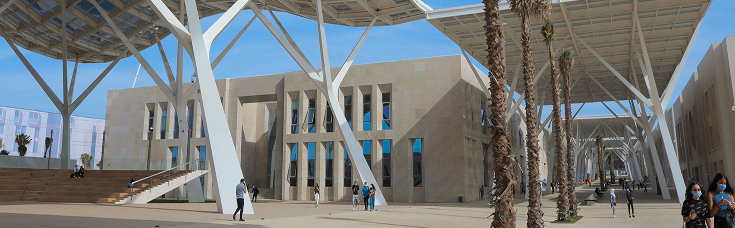
The 2026 BRIC workshop will be held in Rabat, Morocco, from June 5 to June 7, 2026, at UM6P Rabat campus, within the Social Sciences, Economics and Humanities Cluster.
BRIC stands for Bounded Rationality in Choice, the name of the first conference that Paola Manzini and Marco Mariotti organised in St Andrews in 2013.
It has now turned into an annual meeting, welcoming papers on topics related to bounded rationality in choice. The now usual format has no parallel sessions or invited speakers.
Apart from the first year, in which Marco and Paola acted as benevolent dictators, it now has a proper scientific committee, which (in addition to the local organisers) consists of Jose Apesteguia, Miguel Angel Ballester, Andrew Caplin, Mark Dean, Paola Manzini, Marco Mariotti, Yusufcan Masatlioglu, Ariel Rubinstein and Yuval Salant, the core, enthusiastic supporters of the project.
Committees
Local organizing committee
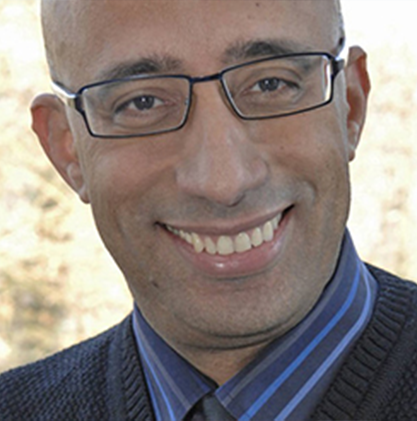
Mohammed
Abdellaoui
HEC Paris
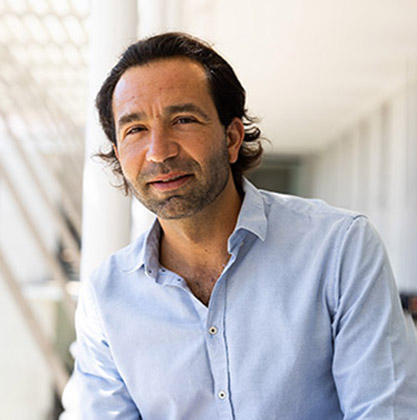
Larbi
Alaoui
Pompeu Fabra
Scientific committee
Mohammed
Abdellaoui
HEC Paris

Amma
Panin
University of Louvain
Larbi
Alaoui
Pompeu Fabra

Cathy
Yang
HEC Paris
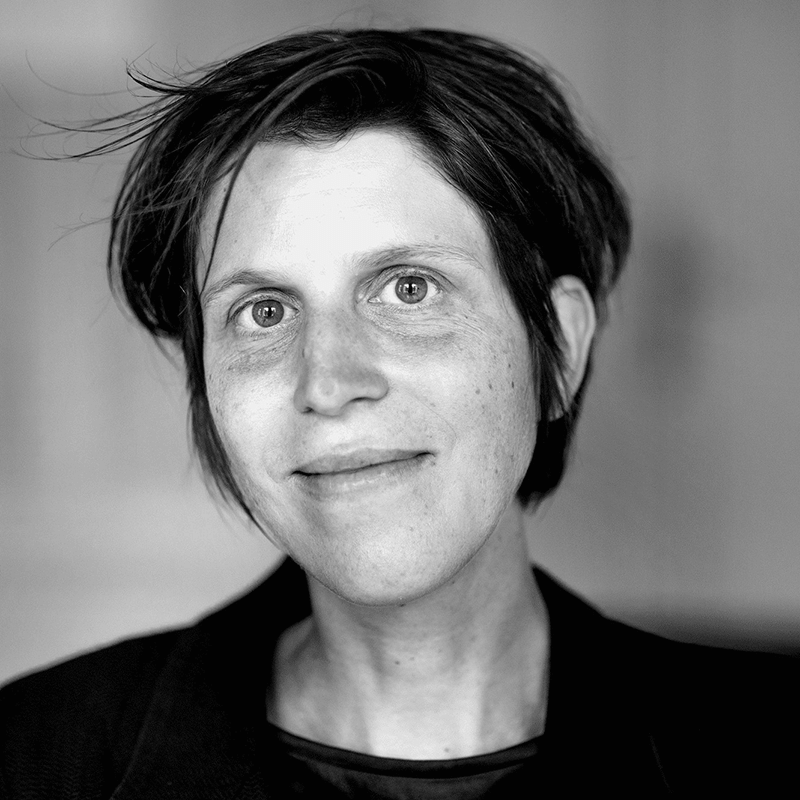
Marieke
Huysentruyt
HEC Paris
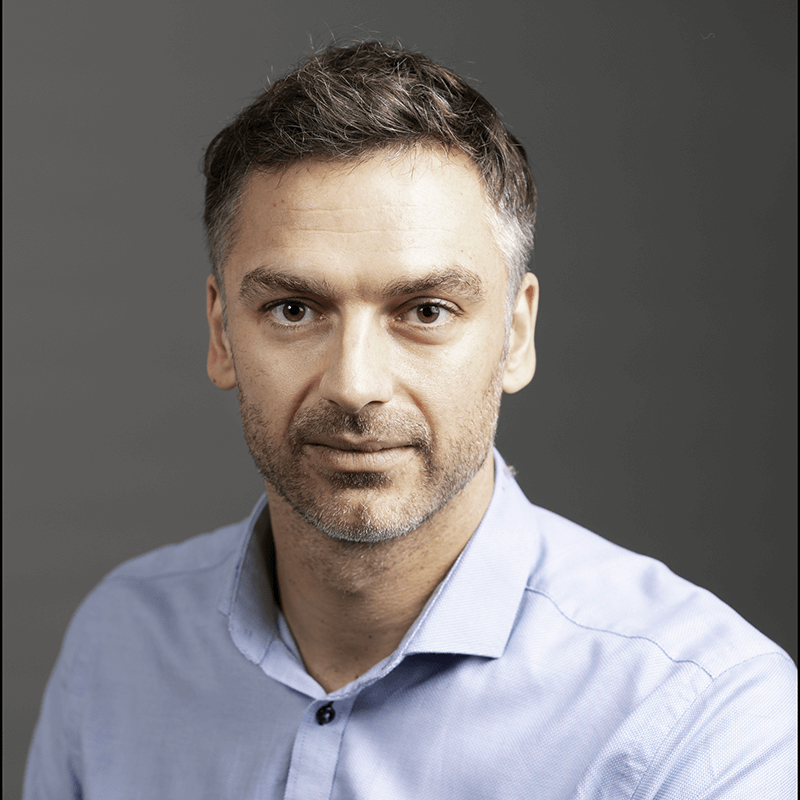
Emmanuel
Kemel
HEC Paris
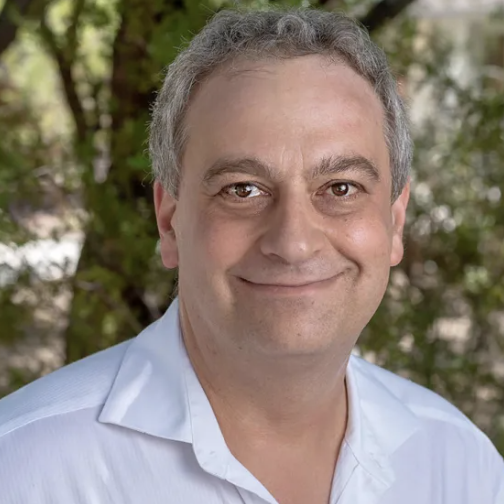
Charles
Noussair
University of Arizona
Iñigo
Tom von
Ourti
Erasmus School of Economics
Tanguy
Bernard
University of Bordeaux
Lata
Gangadharan
Monash University
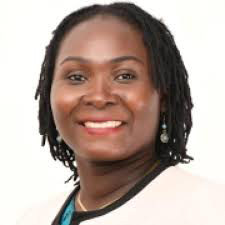
Monica
Lambon-Quayefia
University of Ghana

Stefan
Traumann
Tilburg University
Supported by

Frequently Asked Questions
Venue
Conference location
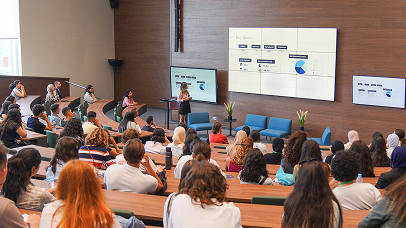
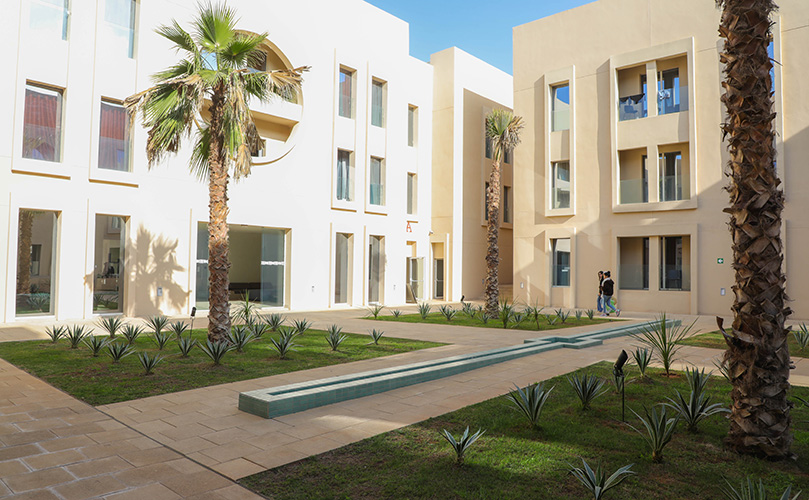
The conference will be held at UM6P Rabat campus, within the Social Sciences, Economics and Humanities Cluster of Mohammed VI Polytechnic University. The Cluster is a teaching and research ecosystem that closely brings together three entities:
- Faculty of Governance, Economics and Social Sciences (FGSES); offering Bachelor's, Master's, as well as Ph.D. programs.
- The Africa Institute for Research in Economics and Social Sciences (AIRESS): geared towards research.
- The Public Policy School (PPS): offering executive education programs for decision-makers in both public and private sectors.
Each of these entities fulfills its mission, using the knowledge and experience shared among a community of professors, researchers, scholars as well as public decision-makers.
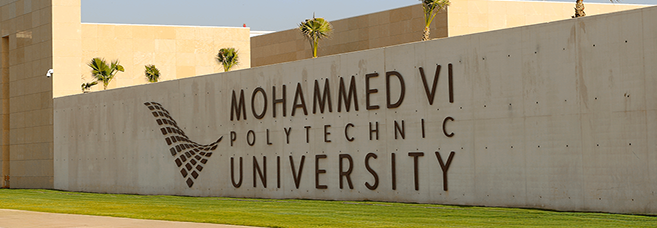
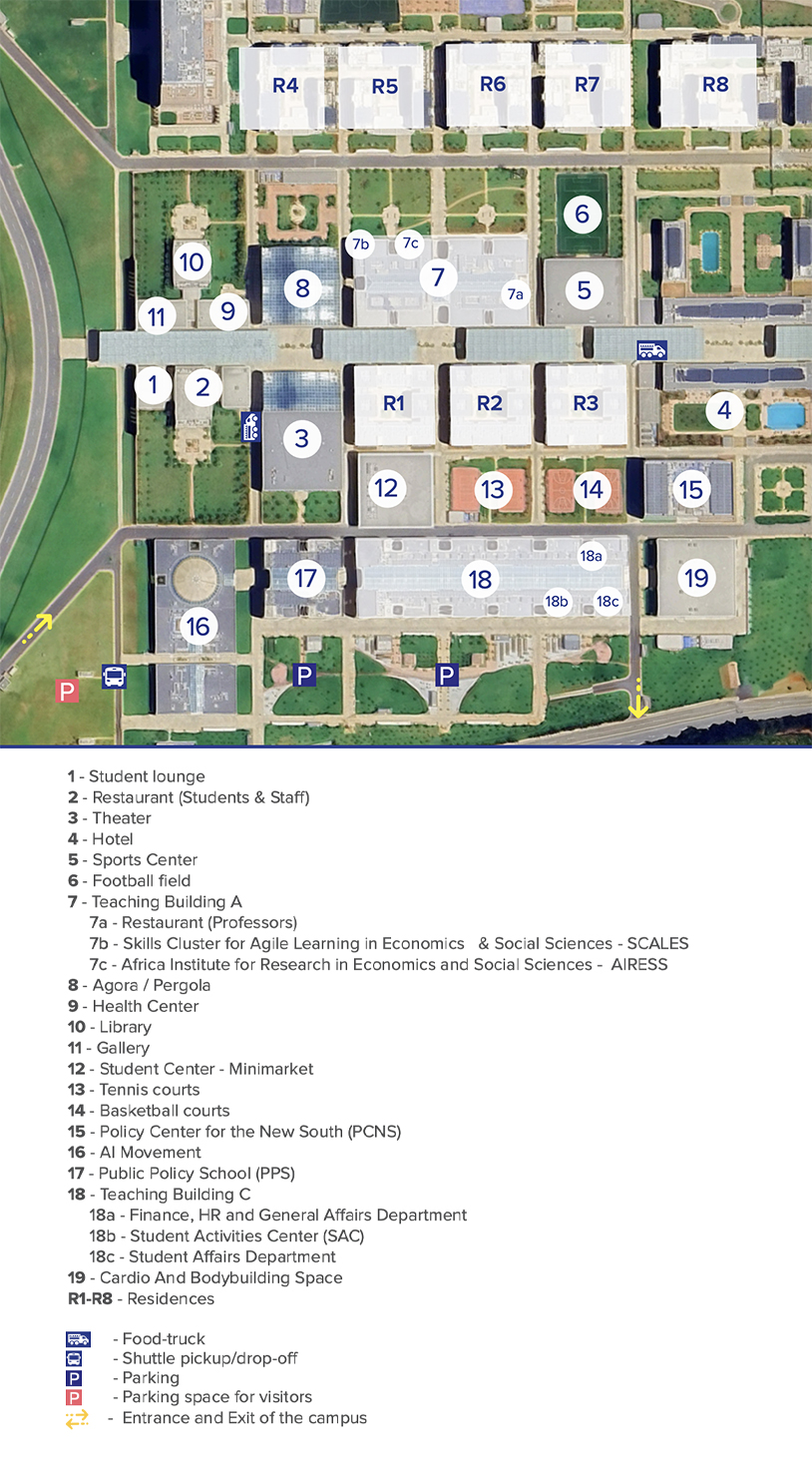
Mohammed VI Polytechnic University – Rabat Campus
Rocade Rabat-Salé,
Rabat 11103
Getting to Rabat
Rabat-Salé Airport (RBA)
The closest airport to the city, located approximately 30 minutes away. Taxis and bus line AE are available outside the arrivals' terminal, with fares displayed in the airport hall and taxi parking area.
Casablanca Mohammed V International Airport (CMN)
The airport is 1.5 hours away from Rabat, it offers direct trains to the city departing every hour. Train tickets can be purchased online via the ONCF website or directly at the station, with a trip cost of 100 MAD.
Tangier Ibn Battouta Airport (TNG)
Located 3 hours from Rabat, the most convenient option is to head to Tangier's train station and take the high-speed (TGV) train to Rabat.
Airport taxi routes and approximate fares
| Route | Day fare | Night fare |
|---|---|---|
| From Rabat airport to downtown Rabat | 150 MAD | 250 MAD |
| From Casablanca airport to downtown Casablanca | 250 MAD | 300 MAD |
| From Tangier airport to Tangier train station | 120 MAD | 180 MAD |
1€ = 11 MAD
Getting to the campus
First time visiting
To get to the campus from Rabat, you can use:
- Public transportation: Take tramway Line 2 (L2) to its Sale Terminus (7 MAD), then transfer to bus line 201, which stops in front of the campus. The total bus ride (6,5 MAD) takes approximately 25 minutes. Small taxis are also an option, but the meter is unlikely to be used as the campus is outside the city. Be sure to negotiate the fare in advance, with 100 MAD as the maximum.
- On-campus accommodation: If you are staying at our campus hotel, the venue is within walking distance.
Conference days


Downloadables
University of Nottingham, UK
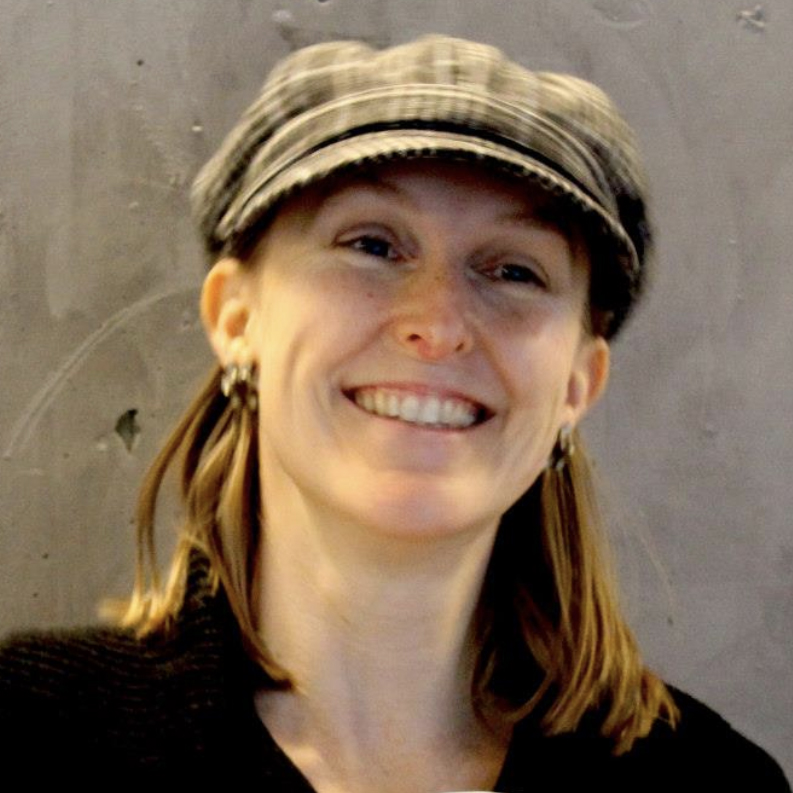
Abigail Barr joined the University of Nottingham in the summer of 2011. Before coming to Nottingham, she was a researcher at the Centre for the Study of African Economies (CSAE) and the Oxford Department of International Development, University of Oxford. She is also an associate of the Nuffield Centre for Experimental Social Science and the Institute of Fiscal Studies.
Abigail's research focuses on the socially embedded decision-maker. She has designed and implemented a variety of lab and lab-type experiments involving students, villagers, private-sector waged workers and unemployed people and health workers and teachers, in several African and developing countries. Four themes have dominated her work to date: other-regarding preferences; mutually beneficial agreements; citizens' willingness and ability to hold public service providers to account; and the factors and mechanisms determining individual preferences and values.
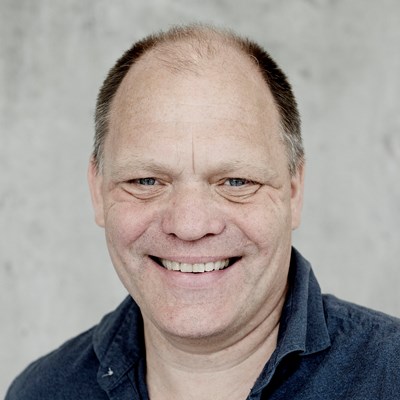
Department of Economics, Norwegian School of Economics (NHH)
Alexander W. Cappelen is a professor at the Department of Economics, Norwegian School of Economics (NHH), where his academic positions include Deputy Director of the Centre of Excellence FAIR (Centre for Experimental Research on Fairness, Inequality and Rationality), co-director of the research group The Choice Lab, and Chairman of Centre for Ethics and Economics.
His research interests are behavioral, experimental and public economics, business ethics, social choice theory, political philosophy and distributive justice.
His work, published in leading international journals, employs a wide range of experimental approaches to address questions of justice, inequality, and policy.
Key dates
February 2, 2026
Deadline to submit paper
late February 2026
Notification for acceptance
Papers should be submitted by email to [email protected].
Key dates
To be announced
Deadline for registration
Fees
There is no fee associated with the conference.
To Register
Registration FormFor further information
[email protected]Off-campus Stay
Rabat presents a wide variety of accommodation options to suit all preferences and budgets. From luxury hotels and riads to cozy bed & breakfasts, you can find an adequate place to stay. Here are few hotel recommendations across different neighborhoods.
| Hassan | Tour Hassan Palace |
| Downtown Rabat | ONOMO Hotel (A shuttle service will be available between Onomo Hotel and the campus every morning and evening during the conference days) |
| Agdal | First Suites Hotel |
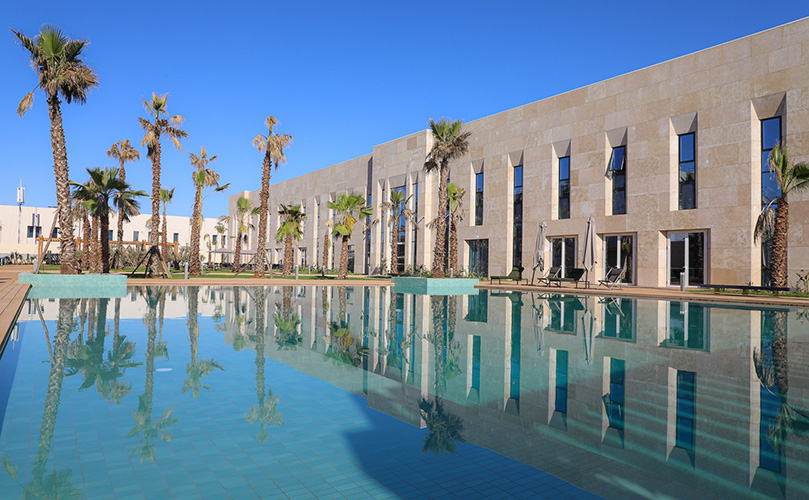
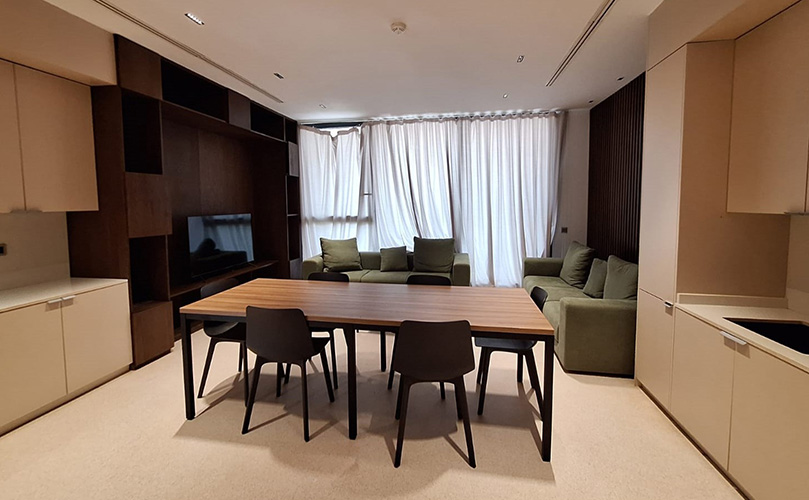
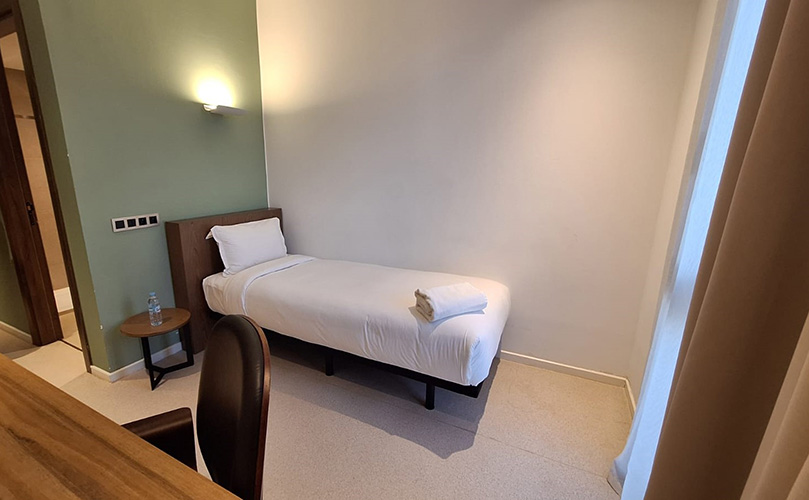
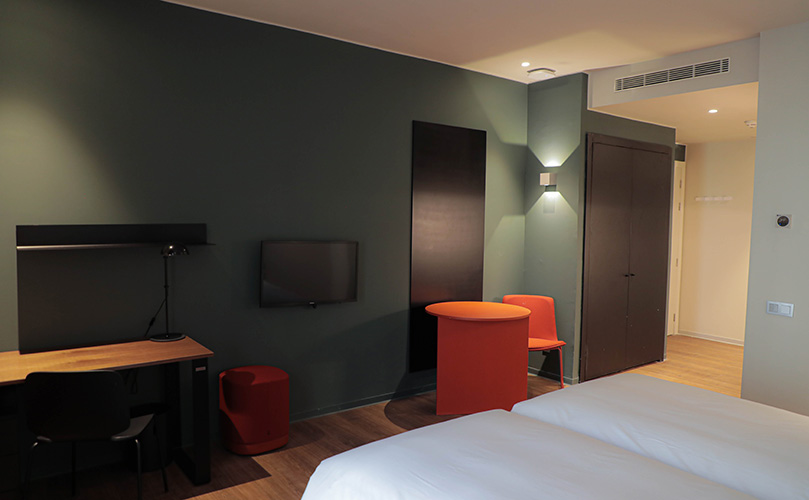
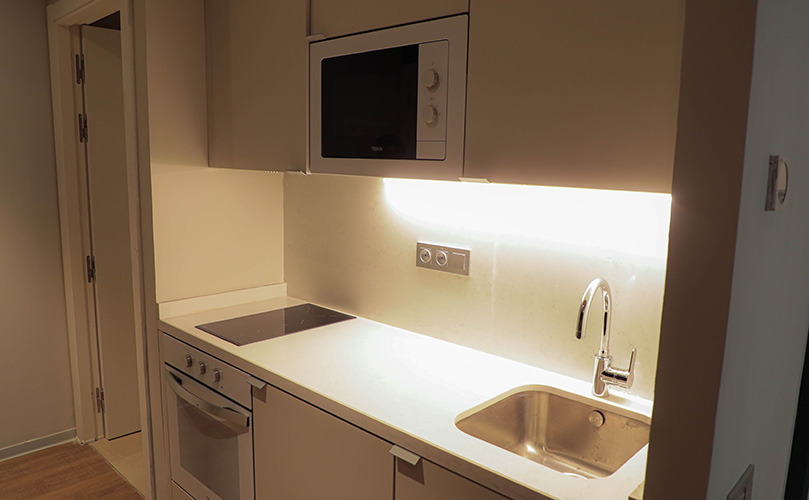
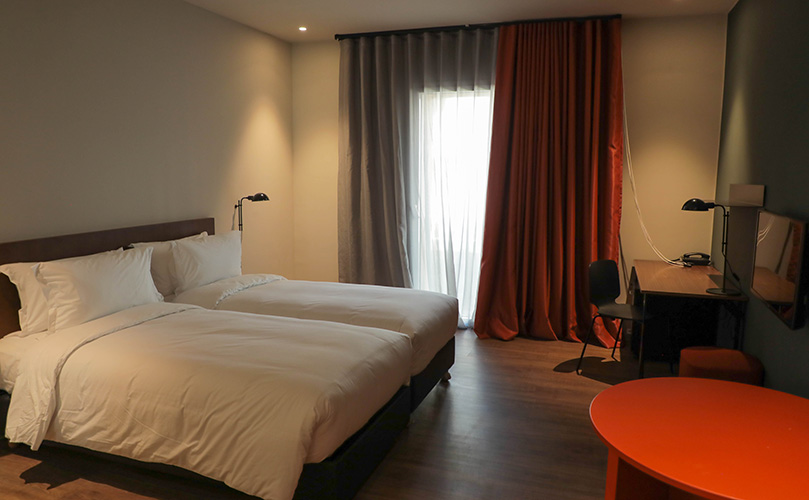
On-campus Accommodation
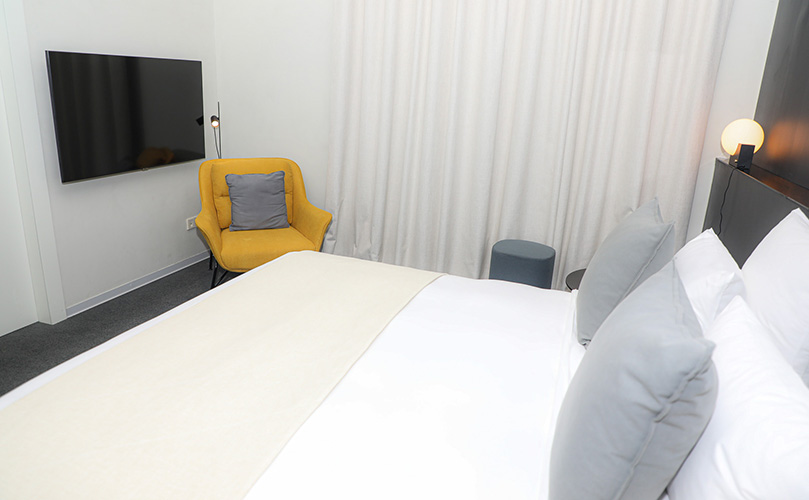
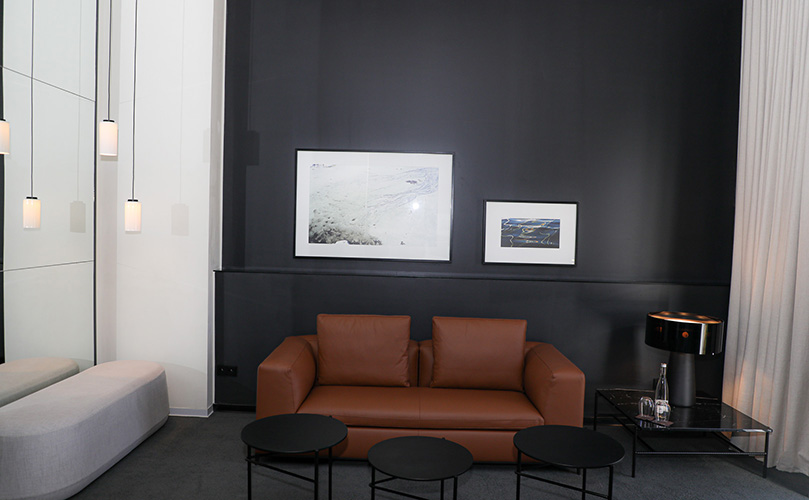
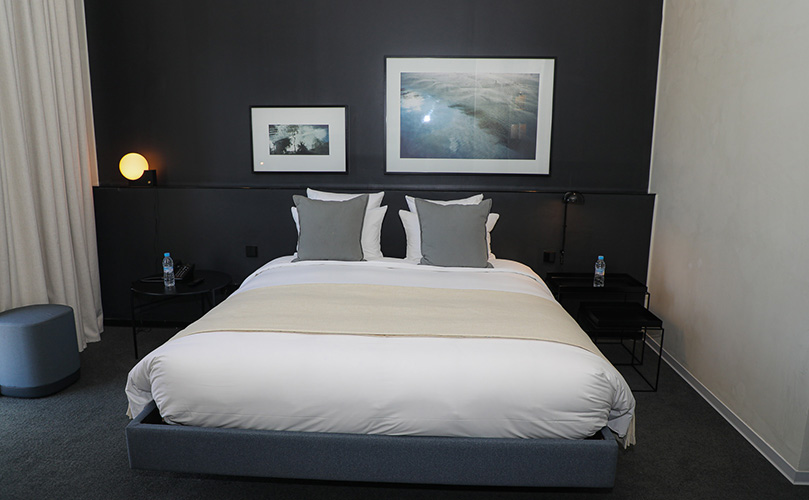
The campus offers a range of accommodation options, including the campus hotel and student residences. Prices vary based on the chosen option. Both are within walking distance of the event venue.
| Options | Price per night (Single room) | Price per night (Double room) | |
|---|---|---|---|
| Hotels | Bed Only | 1008 MAD/Night | 1008 MAD/Night |
| Bed & Breakfast | 1224 MAD/Night | 1440 MAD/Night | |
| Half Board | 1620 MAD/Night | 1836 MAD/Night | |
| Full Board | 2016 MAD/Night | 2232 MAD/Night | |
1€ = 11 MAD
Shuttle
The campus transport connects UM6P campus and the tramway network via Moulay Abdellah station (terminus of line 2 - Salé). Additionally, during the conference days, a shuttle service will operate between the campus and Onomo Hotel.
Frequently Asked Questions
- For any questions related to registrations or submissions, please contact :
[email protected]
Conference Dinner
An off-campus dinner will be hosted in one of Rabat emblematic restaurants, offering participants the chance to gather in a relaxed atmosphere. The Faculty will arrange transportation from the campus to the restaurant and back to the hotels.
Rabat Activity
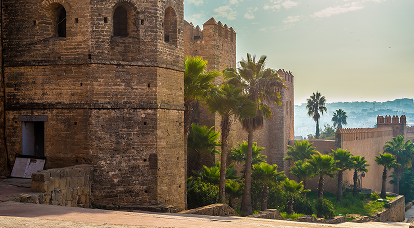
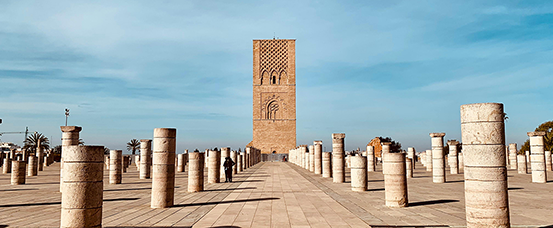
As part of the event, FGSES will host a guided tour of Chellah, a UNESCO World Heritage Site. This archaeological site offers a unique journey through Morocco's history, showcasing the evolution of civilizations over the centuries.